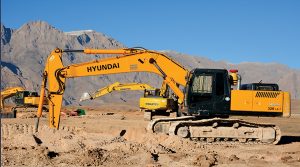
The construction industry has undergone remarkable change in recent years, driven largely by technological advances such as Building Information Modeling (BIM), 3D printing, advanced materials, and smart Building Management Systems (BMS). These technologies streamline construction processes, improve project quality, and ultimately reduce costs and delivery times. Major contractors such as Rah Gostar Naft have used these innovations to play a key role in improving national projects.
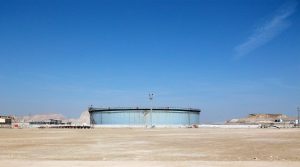
With more than two decades of experience in major civil projects across oil, gas, petrochemicals, road construction, and buildings, Rah Gostar Naft has consistently remained at the forefront of adopting innovative technologies. Using BIM software, 3D printing, and advanced materials, the company has successfully delivered projects such as Sanandaj Airport, the Qeshm Oil Terminal, and the Western Iran Railway. Particularly on large-scale projects, these technologies significantly improve speed and accuracy, reduce costs, and enhance construction quality.
The use of these technologies in national civil projects has a significant impact. One of the most important benefits is shorter construction time. Civil projects once faced extensive scheduling problems and prolonged delays, but modern methods have minimized these issues. Prefabricated systems and 3D printing, for example, can reduce the time required to construct major projects. Advanced materials and industrialized construction methods also significantly improve quality and minimize human error.
Another significant benefit of innovative technologies is lower construction cost. Traditional projects often incurred very high costs due to delays, labor, and materials, whereas modern methods help reduce these expenses. Smart building management systems (BMS) can also control and optimize energy consumption and reduce long-term project maintenance costs.
Another impact of innovative technologies on national civil projects is improved environmental sustainability. Advanced materials and optimized processes reduce natural-resource consumption and environmental pollution. On major projects with significant environmental impacts, these technologies can provide an effective means of protecting the environment.
Despite these benefits, adopting innovative technologies in the construction industry also presents challenges. One is the high initial cost. Advanced software and new equipment require substantial upfront investment, which can be difficult for many companies and contractors, particularly on smaller projects. In addition, workers and contractors may resist change and be reluctant to adopt new technologies.
Addressing these challenges requires supportive government policies and investment in research and development. Workforce training and greater awareness among workers and contractors of the value of these technologies can also accelerate adoption.
The use of innovative technologies in national civil projects can significantly improve quality, reduce costs and construction time, increase sustainability, and enhance worker safety. Through its experience and technical expertise, Rah Gostar Naft has successfully applied these technologies to major civil projects and achieved notable results. The company can serve as a successful model for other Iranian contractors and help advance the country’s construction industry. Wider national adoption of innovative technologies can create a promising future for civil projects and transform the industry by increasing productivity and project quality.